
"Insulin sensitivity" gets thrown around a lot in wellness content, but it's rarely explained clearly. Here's a plain-language breakdown of what it actually means, why it tends to decline with age, and what genuinely supports it.
What Insulin Sensitivity Actually Means
Insulin is a hormone your pancreas releases after you eat, and its job is to help move glucose (sugar) from your bloodstream into your cells, where it can be used for energy. Insulin sensitivity refers to how efficiently your cells respond to insulin's signal. When cells are highly sensitive, a small amount of insulin does the job effectively. When sensitivity declines — sometimes called insulin resistance in more advanced cases — the body needs to produce more insulin to achieve the same effect, and blood sugar can stay elevated for longer after meals.
It's worth being clear about the distinction here: reduced insulin sensitivity is a spectrum, not a single event. Many adults experience some gradual decline in sensitivity as a normal part of aging, well before it would be classified as a diagnosed condition like insulin resistance or type 2 diabetes.
Why It Changes With Age
Several factors tend to converge as people get older: muscle mass naturally declines without active maintenance (and muscle is one of the primary tissues that absorbs glucose in response to insulin), body composition shifts, and overall activity levels often decrease. None of this is inevitable or irreversible — it's simply why insulin sensitivity tends to trend in a certain direction with age unless it's actively supported through lifestyle habits.
Lifestyle Levers That Support It
Of everything researchers have studied in this space, a few lifestyle factors show up consistently: regular physical activity, especially resistance training, which helps maintain and build the muscle tissue that absorbs glucose; maintaining a healthy body composition; adequate sleep, since even short-term sleep restriction has been shown to reduce insulin sensitivity measurably; and a diet built around whole foods rather than heavily processed, high-glycemic options. None of these are quick fixes — they're the same fundamentals that support broader metabolic health, because insulin sensitivity doesn't operate in isolation from the rest of the body's systems.
Nutrients Associated With Support
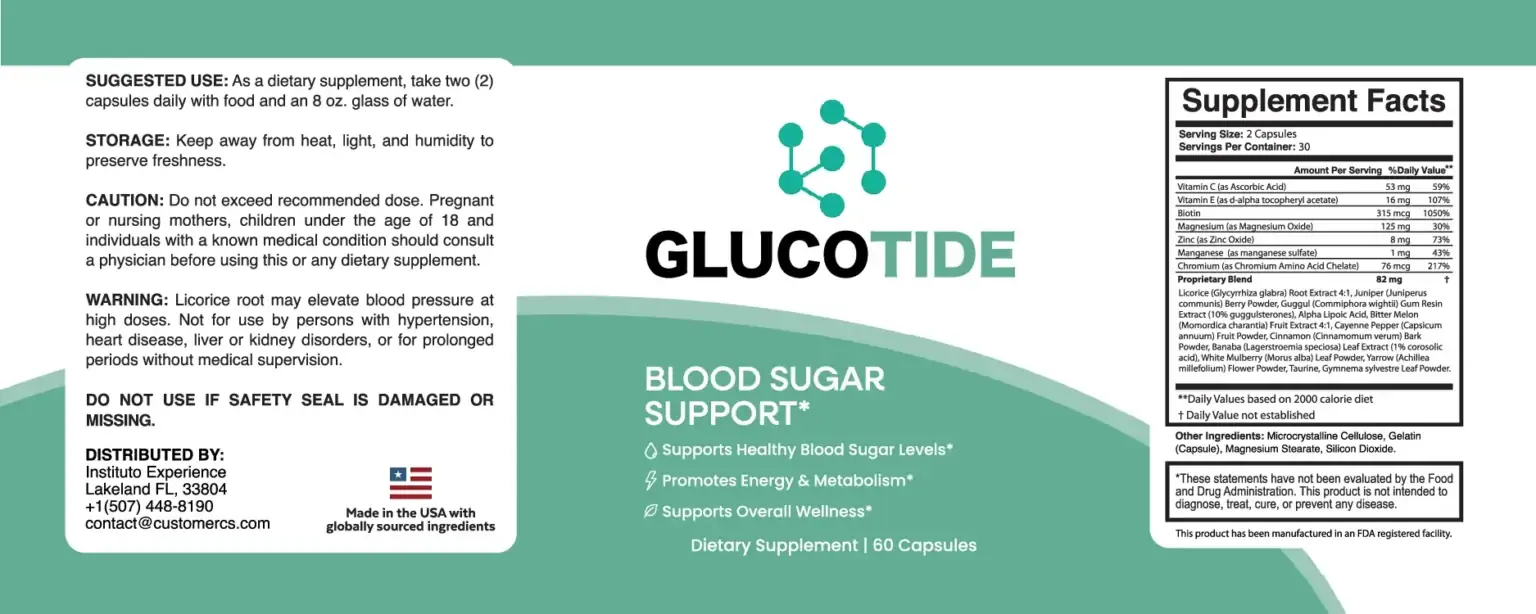
Several nutrients and botanicals have a documented or traditional association with supporting healthy insulin sensitivity. Chromium is one of the most researched minerals in this specific context. Alpha Lipoic Acid, an antioxidant compound, has been studied for its role here as well. Magnesium supports numerous enzymatic processes tied to insulin function. And botanicals like Gymnema Sylvestre and Bitter Melon have long histories of traditional use in blood sugar and insulin support formulas. These are generally understood to provide supportive, cumulative benefit alongside lifestyle habits — not as a standalone fix.
When to Talk to Your Doctor
If you're noticing persistent fatigue, unusual thirst, frequent urination, or other symptoms that concern you, that's a conversation for your doctor, not a supplement label. Bloodwork — including fasting glucose and A1C testing — is the accurate way to understand where you actually stand, rather than guessing based on symptoms alone. Lifestyle habits and supportive nutrients are complements to medical guidance, not substitutes for it, especially if you're already managing a diagnosed condition.
Common Myths Worth Clearing Up
A few misconceptions come up often enough to address directly. First, insulin sensitivity isn't something you either "have" or "don't have" — it's a spectrum that shifts based on daily habits, and small improvements are meaningful even if you're not aiming for a dramatic transformation. Second, cutting out all carbohydrates isn't necessary or even particularly effective on its own; the type and timing of carbohydrates, combined with activity level, matters more than eliminating an entire food group. Third, supplements marketed with dramatic claims about "reversing" insulin resistance overnight should be treated with real skepticism — genuine, sustained change in this area happens over weeks and months of consistent habits, not days.
It's also worth noting that insulin sensitivity and weight are related but not identical — some people with a healthy weight still have reduced insulin sensitivity, and some people carrying extra weight have relatively good sensitivity. Genetics, muscle mass, activity level and sleep all play independent roles, which is exactly why a multi-pronged approach tends to outperform any single intervention.
FAQ
No. Insulin sensitivity exists on a spectrum, and gradual age-related decline is different from a diagnosed condition like type 2 diabetes, which requires medical evaluation.
Regular activity, especially resistance training, sleep and diet quality are all associated with supporting healthy insulin sensitivity over time.
If you have symptoms that concern you, fasting glucose and A1C bloodwork through your doctor is the accurate way to know where you stand.