Blood sugar supplements are one of the most heavily marketed — and heavily scrutinized — categories in wellness, precisely because the stakes feel high for the people searching for them. Before you buy anything, run it through this checklist.
Red Flag #1: Disease-Treatment Claims
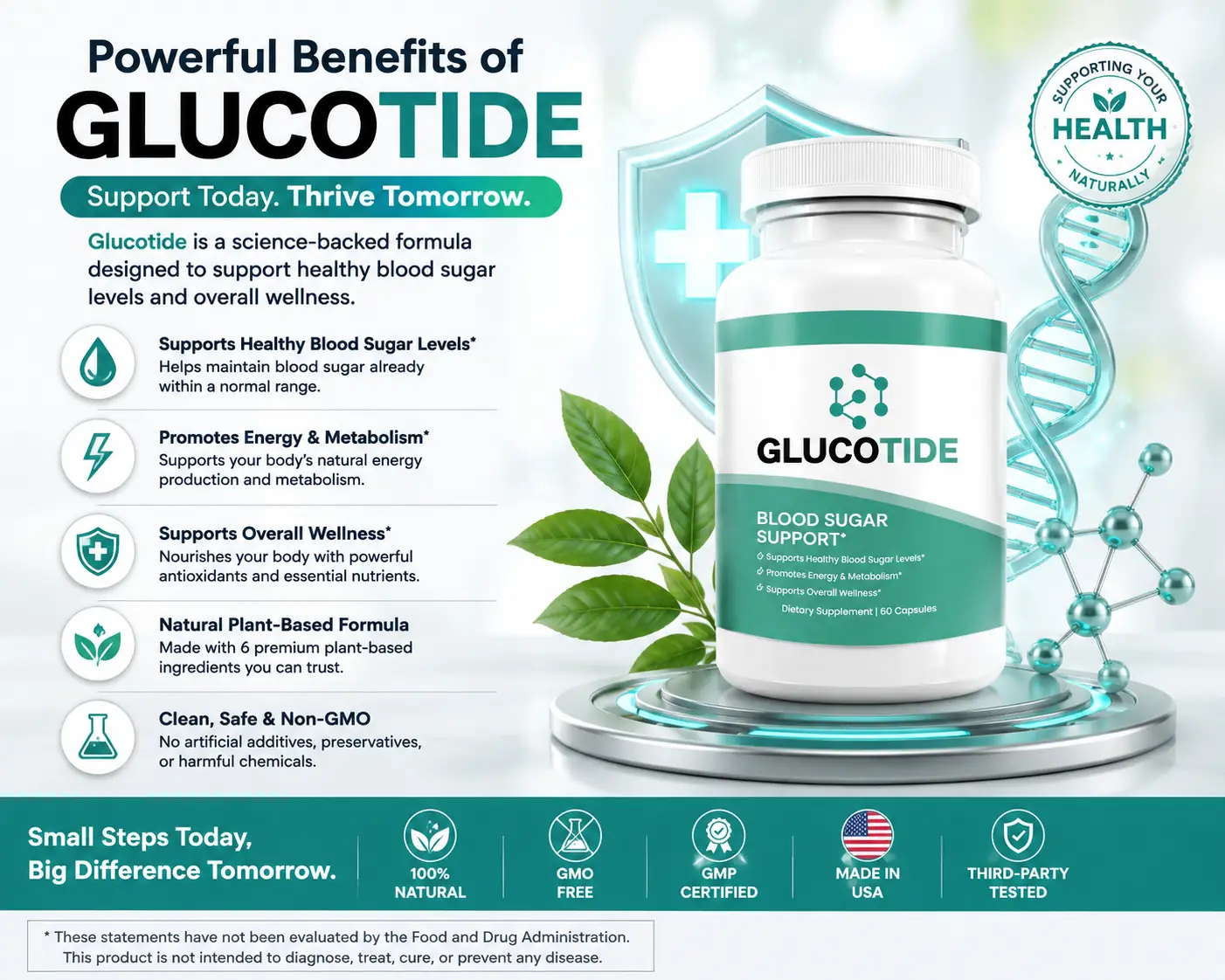
If a supplement's marketing implies it cures, treats, or reverses type 2 diabetes, eliminates blood sugar spikes entirely, or can replace prescribed medication, that's a serious red flag. Dietary supplements are legally limited to structure/function claims — like "supports blood sugar levels already within a normal range" — not disease-treatment claims, which are reserved for FDA-approved drugs. A company making these claims is either unaware of that legal boundary or knowingly ignoring it.
Red Flag #2: Hidden Dosages
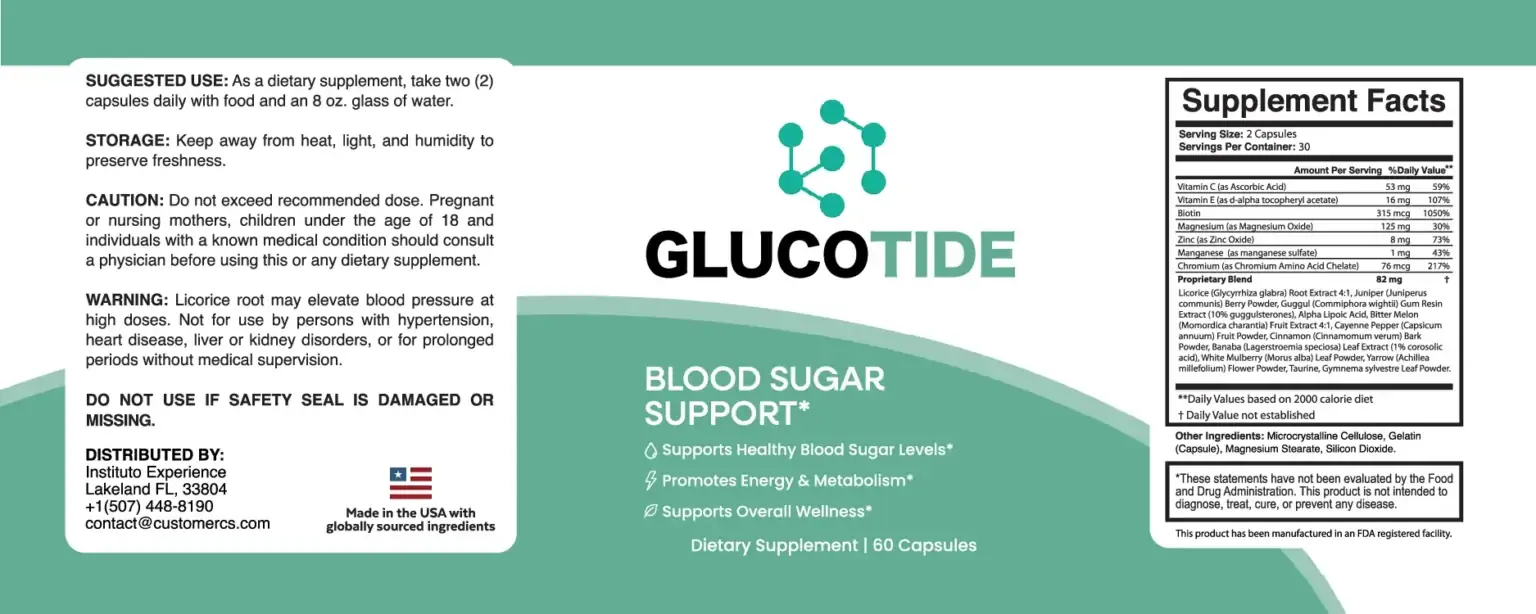
Some labels list a "proprietary blend" with a total weight but no breakdown of individual ingredient amounts, making it impossible to know whether you're getting a meaningful dose of the active compounds. Look for labels that are specific about core nutrient doses — like exact milligrams and % daily value — even if part of the formula is a blend.
Red Flag #3: Forced Subscriptions and Hidden Auto-Ship
Watch for checkout flows that quietly enroll you in a recurring subscription, especially ones that bury the one-time purchase option or make cancellation difficult to find. A trustworthy company states purchase terms clearly at checkout.
What to Check: Manufacturing
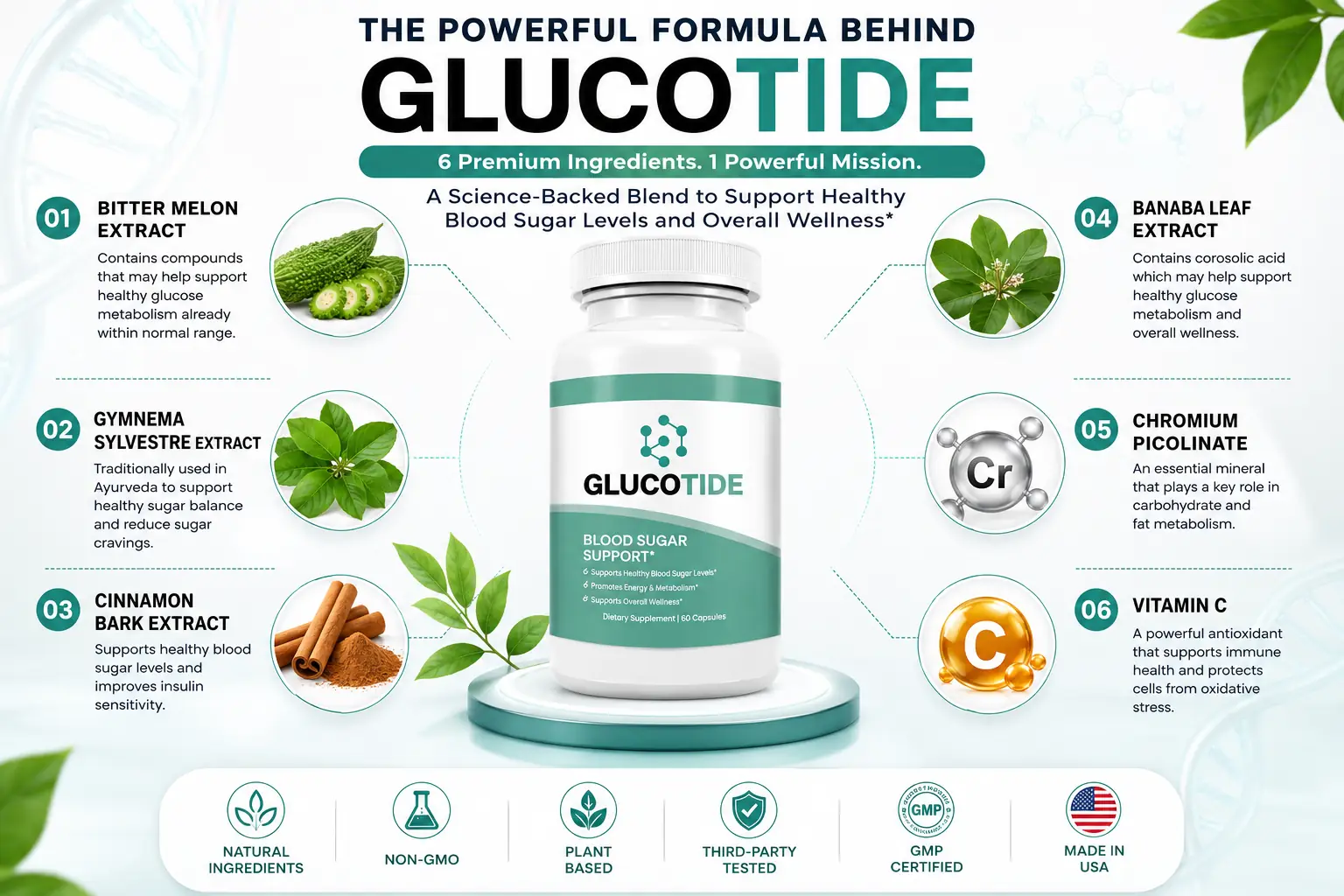
Look for GMP (Good Manufacturing Practice) certification, reflecting documented quality control, and FDA-registered facility status. Note the distinction: FDA registration relates to the manufacturing facility, not the product itself being "FDA approved" — supplements aren't approved by the FDA the way drugs are, and any company implying otherwise is misrepresenting the regulatory process.
What to Check: The Guarantee
A meaningful money-back guarantee is one of the better signals of a company's confidence in its product. Pay attention to the length of the window and any minimum-use requirement — a 60-day guarantee with a 30-day minimum use period, for example, is reasonable, since it reflects how long a cumulative, multi-nutrient formula typically needs to show consistent effects.
Questions to Ask Your Doctor
- Does this supplement interact with any medication I'm currently taking, including blood pressure or diabetes medication?
- Given my current health conditions, are there any ingredients in this formula I should be cautious about — for example, licorice root and blood pressure?
- Is this a reasonable complement to my current treatment plan, or could it interfere with it?
- What bloodwork or monitoring should I keep up with while trying a new supplement like this?
If a product checks these boxes — transparent dosing, honest claims, clear billing terms, and a reasonable guarantee — it's at least being straightforward with you, which is the baseline you should expect before deciding whether the ingredients themselves are a fit for your goals and your doctor's guidance.
Reading Reviews Critically
Customer reviews can be genuinely useful, but they're also the easiest part of a product page to manipulate. Look for reviews mentioning a specific, realistic timeline — "a few weeks into my routine" rather than vague enthusiasm or overnight transformation stories — since specific timelines line up with how gradual, multi-nutrient formulas are expected to work. Be skeptical of reviews that cite specific blood sugar numbers or claim to have replaced medication; legitimate reviews should sound like real customer voices describing general, subjective experiences, not clinical case studies. And check whether reviews acknowledge that results vary, which is a sign the company isn't overselling guaranteed outcomes.
It's also worth being wary of reviews that read like they were written by the same person, or that appear in a sudden concentrated burst rather than spread naturally over time. A trustworthy product page tends to have a realistic mix of enthusiastic and more measured feedback, not a wall of identical five-star praise.
One last thing worth checking, especially if you're comparing several products: does the company make its ingredient sourcing and manufacturing process easy to find, or is it buried or vague? Companies confident in their formulation tend to be specific — listing exact doses, naming their manufacturing certifications, and being upfront about realistic timelines rather than promising results by a specific week. That specificity, across every part of a product's marketing, is one of the more reliable signals you can look for.

FAQ
No. FDA registration relates to the manufacturing facility; dietary supplements are not FDA-approved the way drugs are.
Yes, especially if you're managing diabetes, high blood pressure, or heart, liver or kidney conditions, since some ingredients can interact with medication.
60 days or longer, ideally with a reasonable minimum-use requirement, gives a fair window to judge a cumulative supplement.